

In a world filled with fast screens, endless scrolling, and constant notifications, many families are starting to slow things down. In 2026, more parents want simple ways to help children enjoy childhood with less pressure and more real-world fun. This is one big reason analog play is making such a strong comeback. Recent parenting trend coverage shows a growing interest in screen-free childhoods, hands-on activities, family entertainment at home, and “going analog” as a response to digital overload.
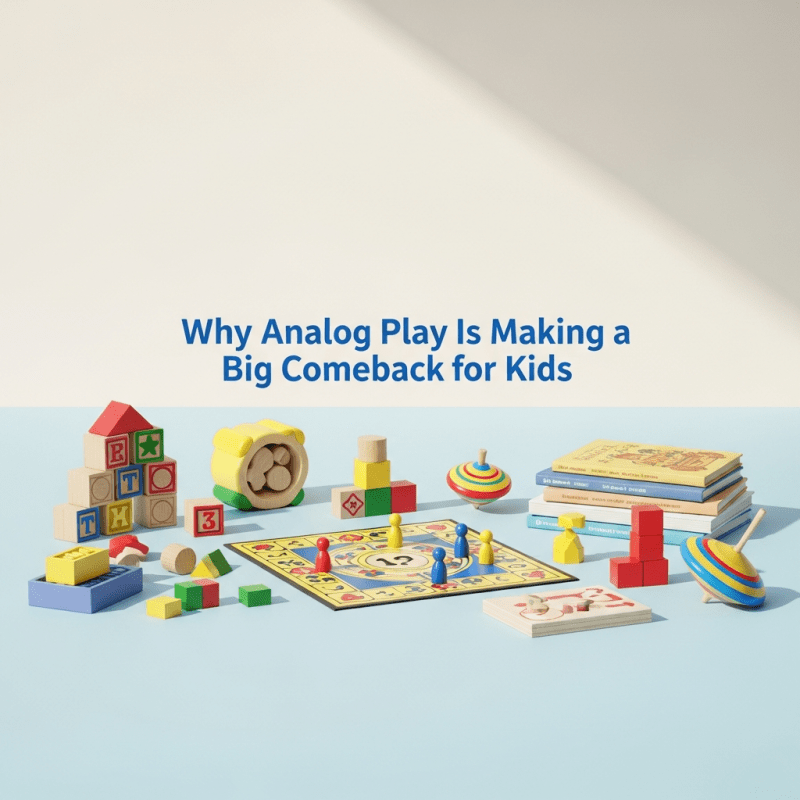
Analog play includes activities many families already know and love: puzzle books, coloring pages, board games, drawing, building blocks, crafts, storybooks, and imaginative play. These activities may be simple, but they give children something very valuable. They create space for focus, creativity, patience, and joy.
Why Families Are Turning Back to Simple Play
Many parents do not want to eliminate technology completely. They are simply looking for better balance. This is where analog play feels refreshing. Instead of quick swipes and endless videos, children have the chance to touch, build, draw, solve, imagine, and create.
This shift is showing up in trend data too. Pinterest’s 2026 parenting trend report states that searches for “screen-free activities” increased by 200% year over year, while “no phone summer” rose by 340%. The report also highlights rising interest in educational activities, family entertainment at home, and enriching activities for kids.
For many families, this is not really about being old-fashioned. It is about giving kids experiences that feel calmer, more meaningful, and more connected to everyday life.
What Makes Analog Play So Valuable
One of the best things about analog play is that it provides children with clear and satisfying experiences. A puzzle has an ending. A coloring page gets finished. A maze has a path. A board game has turns, rules, and a winner. Parenting coverage in 2026 has described this appeal as part of a broader “going analog” movement, where families are drawn to activities with natural limits and real-world interaction.
Children often respond well to those kinds of boundaries. They know where to begin, what to do, and when they are done. This can feel more comforting than the endless nature of digital content.
Analog play can also help children:
* build focus
* Strengthen problem-solving skills
* improve hand-eye coordination
* Practice patience.
* enjoy more creative independence
These benefits are one reason activity books, simple puzzles, and hands-on play still matter so much, especially for toddlers, preschoolers, and early learners.
The Return of Screen-Free Childhood Moments
There is something special about seeing a child fully engaged in a real, hands-on activity. A crayon in hand, a maze to solve, a tower to build, a story to imagine. These moments may seem small, but they often become the most meaningful parts of childhood.
The 2026 trend conversation around parenting shows that more families want those moments back. Reports point to interest in real-world adventures, outdoor learning, life-skills activities, sensory play, and entertainment at home that does not rely only on devices.
This is one reason analog play feels bigger than just a simple trend. It reflects a deeper desire among families to create more present, peaceful, and memorable experiences together.
Why Puzzle Books Fit This Trend Perfectly
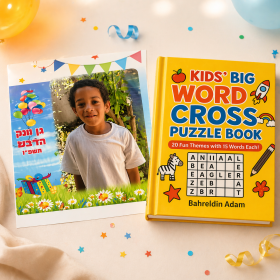
Puzzle books are one of the easiest ways to bring analog play into everyday life. They are simple, affordable, portable, and enjoyable for many ages. Children can use them during quiet time, on weekends, while traveling, or whenever they need a calm activity.
For younger children, puzzle books can be especially helpful because they mix fun with learning in a gentle way. A child may feel like they are just playing, but they are also learning to observe, think, decide, and finish tasks.
That is why puzzle books, maze books, and creative activity books fit so naturally into the analog play comeback. They are low-stress, screen-free, and full of opportunities for early learning.
Analog Play Helps Families Slow Down
Modern life can feel busy for both parents and children. Between school, work, phones, and constant digital entertainment, families often need simple ways to reconnect. Analog play offers that pause.
A board game at the table. A coloring book in the afternoon. A maze book before bedtime. These activities may seem ordinary, but they help create rhythm in family life. They invite conversation, attention, and shared moments.
For children, this slower pace can feel grounding. For parents, it can serve as a reminder that meaningful fun does not need to be expensive or complicated.
A Trend That Feels Timeless
The beauty of analog play is that even though it is trending now, it is also timeless. Kids still love to color. They still enjoy stickers, books, puzzles, and imaginative games. They still feel proud when they finish something with their own hands.
That is why this comeback matters. It is not just about nostalgia. It is about rediscovering what children have always needed: creativity, movement, curiosity, challenge, and connection.
In 2026, while digital tools continue to grow, many families are also choosing to protect space for simple play. This may be one of the healthiest, happiest trends of all.
Final Thoughts
Analog play is making a big comeback because families want more balance, calm, and real-world fun. Whether it is a puzzle book, a craft project, a storybook, or a board game, these activities help children grow in ways that feel natural and enjoyable.
Sometimes the simplest things still matter most. A page to color, a puzzle to solve, a game to play together. In 2026, that kind of fun feels exactly right.