

In a world filled with phones, tablets, gaming apps, and endless online videos, many parents are starting to ask an important question:
“How can we help our children learn, grow, and stay creative without spending all day on screens?”
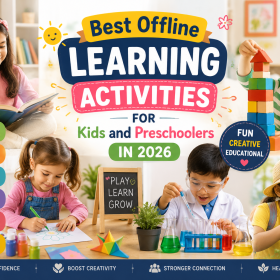
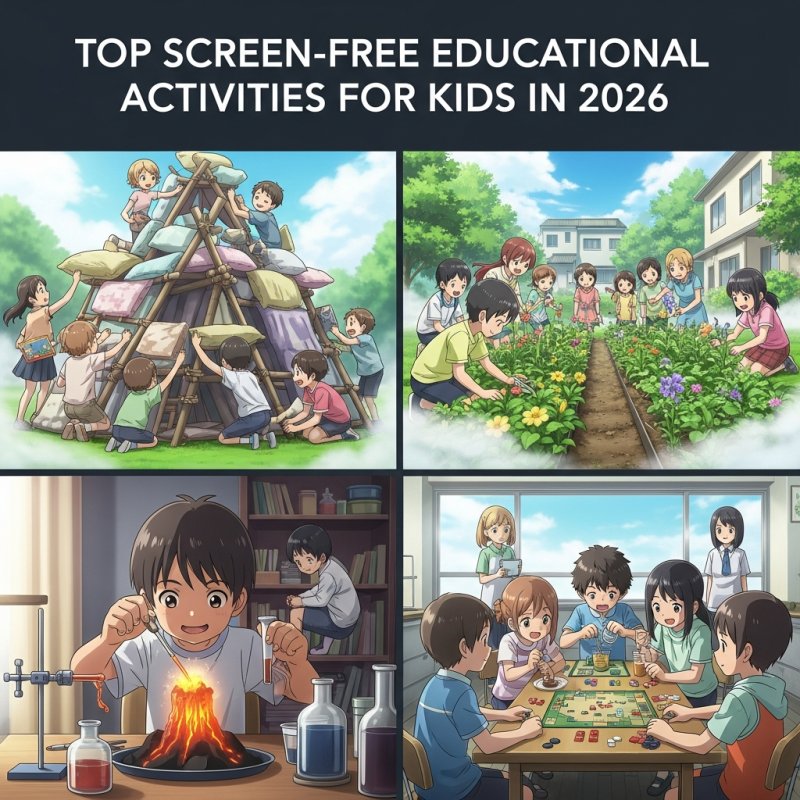
In 2026, more families than ever are looking for healthy, meaningful, and educational screen-free activities that encourage children to explore the real world. Parents want activities that keep kids learning while also helping them build imagination, confidence, communication skills, and stronger family connections.
The good news is that children do not need expensive technology to learn successfully. Some of the best learning experiences happen in simple moments at home, such as reading together, solving puzzles, creating art, exploring nature, or having fun during family games.
At Bahrku, we believe childhood should be filled with curiosity, creativity, storytelling, movement, and joyful learning experiences that inspire young minds every day.
Why More Parents Are Choosing Screen-Free Learning
Technology can be useful for education when used in balance. However, many families are noticing that too much screen time can sometimes leave children feeling distracted, tired, less active, or disconnected from real-life experiences.
This is why screen-free educational activities are becoming one of the biggest parenting trends in 2026.
Parents are focusing more on:
- Hands-on learning
- Creative play
- Reading habits
- Outdoor exploration
- Family interaction
- Emotional development
- Problem-solving skills
When children engage in screen-free activities, they often become more involved, imaginative, and emotionally connected to their environment.
These activities also help create wonderful family memories that children will cherish for years.
- Reading Storybooks Together
One of the simplest yet most powerful educational activities is reading together.
Storytime provides children a chance to slow down, listen carefully, imagine new worlds, and connect emotionally with characters and stories. Reading also strengthens language development, vocabulary, memory, and communication skills.
Children particularly enjoy:
- Adventure stories
- Animal books
- Bedtime stories
- Friendship tales
- Funny picture books
- Interactive storytelling
Creating a cozy reading space at home can make reading feel exciting and comforting.
You can add:
- Soft pillows
- Warm lighting
- Colorful bookshelves
- Favorite books
- Quiet relaxing music
Even reading for just 15 to 20 minutes a day can significantly impact a child’s learning journey.
- Puzzle Games That Build Brain Power
Children naturally enjoy challenges, and puzzles are a fantastic way to encourage critical thinking while keeping learning fun.
Puzzle activities help improve:
- Concentration
- Memory
- Logical thinking
- Patience
- Vocabulary
- Problem-solving abilities
Popular screen-free puzzle ideas include:
- Word searches
- Crossword puzzles
- Maze books
- Matching cards
- Number games
- Shape puzzles
Puzzle books are also great for quiet afternoons, travel time, rainy days, or classroom activities.
Many parents are now choosing educational puzzle books because they combine entertainment with valuable learning skills.
- Creative Arts and Crafts Activities
Children love creating things with their hands. Arts and crafts allow kids to explore their imagination freely while improving focus and coordination.
The best part about crafts is that they do not need to be perfect. The process itself helps children express emotions, experiment with ideas, and build confidence.
Simple craft ideas include:
- Paper animals
- DIY masks
- Nature art
- Painting projects
- Handprint crafts
- Recycled art creations
- Homemade greeting cards
Children often feel proud and excited when they create something unique on their own.
Craft activities also encourage patience and creativity in a fun and relaxing way.
- Hands-On STEM Learning at Home
STEM education, which stands for science, technology, engineering, and math, continues to grow rapidly in 2026. However, STEM learning does not require complicated equipment or expensive kits.
Simple hands-on experiments at home can turn everyday moments into exciting learning adventures.
Easy STEM ideas include:
- Baking soda volcanoes
- Building towers with blocks
- Paper airplane competitions
- Water experiments
- Balloon science games
- Sink-or-float challenges
These activities help children ask questions, test ideas, and learn through discovery.
Children become more curious when they are allowed to explore and experiment in playful ways.
- Pretend Play and Imagination Games
Pretend play may seem simple, but it is one of the most important aspects of childhood development.
When children pretend to be doctors, teachers, chefs, explorers, or superheroes, they are practicing communication, creativity, emotional understanding, and social skills.
Pretend play helps children:
- Build confidence
- Express emotions
- Solve problems
- Practice storytelling
- Learn teamwork
- Improve communication
A cardboard box can become a spaceship. A blanket can become a magical castle. A toy animal can become a best friend on an adventure.
Imagination transforms ordinary moments into unforgettable learning experiences.
- Outdoor Learning and Nature Adventures
Fresh air and movement are essential for healthy childhood development.
Outdoor activities help children:
- Stay physically active
- Reduce stress
- Improve focus
- Explore their curiosity
- Build confidence
Simple outdoor learning ideas include:
- Nature walks
- Playground adventures
- Scavenger hunts
- Gardening
- Bird watching
- Family sports games
- Exploring leaves, rocks, and insects
Nature offers children endless chances to learn while having fun.
Many parents are making outdoor play part of their daily routine to help children stay active and connected to the real world.
- Music, Dancing, and Movement Activities
Children naturally respond to music, rhythm, and movement. Learning through music often feels exciting and effortless.
Fun music activities include:
- Freeze dance games
- Alphabet songs
- Clapping rhythms
- Dance challenges
- Action songs
- Homemade instruments
Music activities help improve:
- Memory
- Coordination
- Listening skills
- Confidence
- Language development
Children often remember lessons better when movement and music are involved.
- Cooking Together as a Family
Cooking is another wonderful screen-free educational activity that teaches valuable life skills.
Children can assist with:
- Washing fruits and vegetables
- Measuring ingredients
- Counting portions
- Reading recipes
- Decorating snacks
Cooking combines:
- Math skills
- Science learning
- Creativity
- Teamwork
- Healthy eating habits
Most importantly, cooking together creates meaningful family moments filled with conversation and laughter.
Creating a Healthy Screen-Free Routine at Home
Developing healthy habits does not mean removing screens completely. The goal is balance.
Small daily routines can make a big difference:
- Schedule daily reading time
- Encourage outdoor play
- Rotate toys and activities
- Create quiet learning spaces
- Limit unnecessary screen time
- Participate in activities together
Children usually feel more excited about learning when parents join in the experience.
The Future of Learning for Children in 2026
Families around the world are beginning to understand something very important:
Children learn best when they are actively involved, emotionally connected, and creatively engaged.
While technology will continue to advance, screen-free educational activities remain essential for helping children develop imagination, confidence, emotional intelligence, and real-world problem-solving skills.
Simple moments like reading a story, building a puzzle, dancing in the living room, or exploring nature can become some of the most meaningful learning experiences in childhood.
Final Thoughts
In 2026, screen-free educational activities are more than just a parenting trend; they are a powerful way to help children grow into curious, creative, confident, and emotionally healthy individuals.
Children do not always need more screen time to learn. Sometimes the best learning happens during quiet reading moments, outdoor adventures, creative crafts, family cooking, storytelling, and playful exploration.
As parents, teachers, and caregivers, we have the chance to create learning experiences that are joyful, meaningful, and memorable.
At Bahrku, we believe every child deserves a childhood filled with creativity, imagination, kindness, learning, and discovery.
The smallest activities today can inspire the biggest dreams tomorrow.