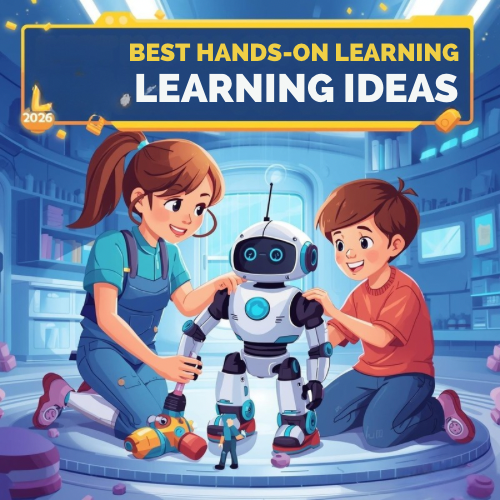

Why Hands-On Learning Matters More Than Ever
Welcome back to the Bahrku blog! If you’re a parent or caregiver juggling the challenges of guiding children’s learning in today’s ever-shifting landscape, you’re not alone—and you’re in for some fresh inspiration. This week, we’re diving into the vibrant world of hands-on learning for kids at home. In 2026, families are increasingly craving activities beyond screen time—things that engage the imagination, spark creativity, and make learning feel alive and truly meaningful.
So, what does hands-on learning actually mean in the modern home? And how can simple, everyday ideas transform your child’s education—and playtime—into rich, memorable experiences? Keep reading for practical, fun, and totally doable suggestions that meet this year’s parenting trends head-on.
Why Hands-On Learning Matters More Than Ever
Today’s families often find themselves caught between two priorities: ensuring educational success while nurturing a childhood full of creativity, balance, and offline connection. According to Pinterest’s 2026 parenting trend report, parents’ searches for “educational activities for kids” have surged by 280%, indicating a strong desire for meaningful, interactive learning rather than passive screen exposure.
The move toward hands-on learning resonates because kids learn best when they’re physically involved—when they can move, build, experiment, and imagine. It makes learning active rather than something simply “delivered,” turning abstract facts into lived experience.
This shift aligns well with the National Literacy Trust’s concerns about declining reading habits. To support this, 2026 was named the National Year of Reading, emphasizing the power of engagement through tactile and imaginative activities.
What Makes a Hands-On Activity Great?
Not all activities are created equal. The truly effective ones have a few key ingredients:
- Movement: They get kids physically involved and curious.
- Creation: Kids get to build, make, or transform something.
- Conversation: The activity invites storytelling, questions, or sharing ideas.
- Flexibility: It can be enjoyed again and again in different ways.
- Fun First: It feels playful and inviting before feeling “educational.”
These qualities reflect the 2026 toy and play trends, which emphasize comfort, creativity, self-expression, and connection over passive entertainment.
10 Hands-On Learning Ideas to Try at Home
- Build a Themed Reading Corner
Turn a cozy nook into an adventure zone—a jungle, castle, or rocket ship—using blankets, pillows, toys, and a basket of books. This isn’t just about reading; it’s about setting the scene and building positive emotional connections with books, which can help combat falling reading rates. - Create Simple Home Science Stations
Transform everyday items—water cups, magnets, seeds, ice cubes—into mini experiments. Kids can test sinking versus floating, watch plants grow, or explore melting times. It’s a brilliant way to make subject-specific learning interactive without needing fancy equipment. - Use Cooking as Math and Language Practice
Cooking naturally includes measuring, counting, sequencing, and new vocabulary. Counting spoons or talking about smells connects learning to the real world, fitting perfectly with 2026’s trend of education integrated into daily routines. - Make an Indoor Scavenger Hunt
Simple and swift to set up, this activity encourages kids to find shapes, colors, or objects starting with certain letters. Adding movement makes it especially engaging, and it supports offline, mindful play moments amid busy schedules. - Start a Storytelling Basket
Fill a basket with props like toy animals, scarves, or puppets. Ask children to create stories with these objects, boosting language skills, sequencing, and imagination—with a side of confidence that flows beautifully into reading for pleasure. - Try Sensory Learning Trays
Whether it’s rice, dough, water beads, or foam, these tactile trays let kids sort, trace, build, and explore with their hands. Sensory play continues to rise in popularity because it engages multiple senses and offers calming, immersive experiences. - Turn Art Into Learning
Drawing, painting, and crafting don’t just develop fine motor skills—they help kids express ideas and connect learning to their world. Link activities to letters, seasons, animals, or family stories for even richer experiences. - Bring Learning Outdoors
Escape the walls and take spelling, counting, or storytelling into nature. Kids can count leaves, describe cloud shapes, or make letters with pebbles, blending education with fresh air and exploration. - Make Routine Charts Interactive
Routines become lessons when kids can move pieces, check off tasks, or match pictures. Such charts build independence, sequencing skills, and time awareness—plus they add a visual, hands-on element to daily life. - Let Kids Invent Their Own Projects
Finally, encourage open-ended creativity by asking, “What do you want to make today?” Cardboard boxes, tape, recycled materials—these become the gateways for shops, theaters, or rocket ships. This kind of project-based play nurtures invention, customization, and imagination.
Why Families Really Appreciate These Ideas in 2026
Parents today are seeking more than activities to fill time—they want ideas that genuinely reduce boredom, nurture learning, and enhance home life with warmth and creativity. The 2026 trend toward offline, experience-rich routines means these hands-on ideas hit the sweet spot: simple, doable, and deeply engaging.
With no need for perfect classrooms or elaborate kits, these activities encourage kids to take part fully, making learning a joyful, interactive experience.
Looking Ahead with Bahrku
We’re excited to keep sharing ideas that enrich children’s learning, reading enjoyment, and family creativity—right here at Bahrku. Whether you want screen-free activities, printable ideas, or inspiration for meaningful family time, we’ve got you covered.
Next week, we’ll explore creative ways to support early readers, so stay tuned for tips to help your child fall in love with books for a lifetime.
Thanks for spending time with us—here’s to hands-on learning that feels alive and full of possibility!