


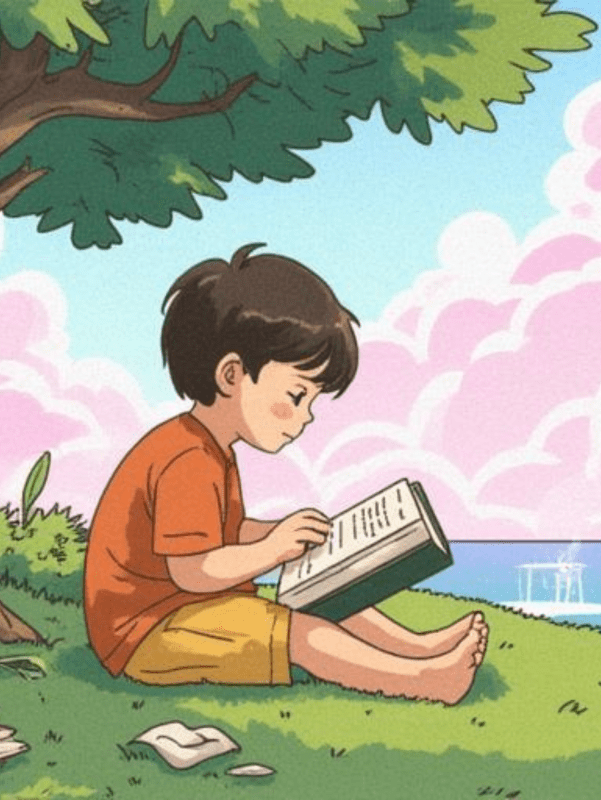
There is a quiet shift happening in family life.
In 2026, many parents are not looking for louder toys, faster apps, or fuller schedules. They want something gentler. They want childhood to feel warmer, calmer, and more imaginative again. Recent trend reports show a growing interest in screen-free activities, offline learning, and real-world family experiences, while the toy industry’s 2026 trend outlook highlights “Cozy Culture” as a major theme in children’s play.
That is why soft, slow play is starting to stand out.
This does not mean families are rejecting technology or modern life. It means they are trying to create more balance. They want children to enjoy books, crafts, pretend play, nature walks, puzzles, and simple routines that feel grounding. In a world that often feels rushed and overstimulating, softer forms of play are becoming more valuable.
What “soft, slow play” really means
Soft, slow play is not about doing nothing. It is about choosing activities that give children time to settle into the moment.
It can look like:
a basket of books near the sofa,
a blanket fort in the living room,
building with blocks on the floor,
coloring at the kitchen table,
pretend tea parties,
quiet sensory play,
simple board games,
or an afternoon walk where children notice birds, leaves, and clouds.
These activities are not flashy. That is exactly why they matter. They leave room for imagination, comfort, and attention.
The Toy Association’s 2026 trends describe a growing appetite for toys and experiences tied to comfort, calm, creativity, and emotional connection. At the same time, Pinterest’s 2026 parenting trend report states that parents are increasingly interested in screen-smart childhoods and offline adventures.
Why families are leaning this way in 2026
One big reason is simple: many families feel overloaded.
Children are surrounded by bright screens, fast content, packed schedules, and constant stimulation. Parents are noticing that not every moment needs more noise. Sometimes children actually do better with less. Trend coverage this year suggests that parents are actively looking for hands-on home activities, routine-friendly ideas, and more meaningful family experiences away from devices.
Reading is part of this story too. The National Literacy Trust reports that children and young people’s enjoyment of reading and daily reading rates remain at their lowest levels in more than 20 years. In 2025, only 32.7% said they enjoyed reading in their free time, and only 18.7% said they read daily in their free time.
That decline helps explain why parents are trying to make home life feel softer and more inviting. A cozy reading corner, a quiet bedtime story, or a slow afternoon craft is not just “something to do.” It protects attention, imagination, and connection.
Why children respond so well to slower play
Children often thrive when they have space to explore without constant interruption.
When play is slower, children are more likely to invent stories, stay focused longer, and use materials in creative ways. A cardboard box becomes a rocket. A blanket turns into a cave. A few toy animals create a whole world. Open-ended, slower-paced play encourages children to direct the experience instead of just reacting to it.
Reading research supports the value of this kind of environment. The National Literacy Trust states that reading for pleasure is linked to literacy development, empathy, well-being, confidence, and learning. Children who enjoy reading in their free time are also much more likely to have above-average reading skills than those who do not.
Soft, slow play supports the same broader values: attention, comfort, creativity, and emotional warmth.
What soft, slow play looks like at home
One reason this trend is appealing is that it does not require expensive products or a perfect home. It focuses more on atmosphere than aesthetics.
A family might create soft, slow play by:
keeping a few favorite books within easy reach,
leaving paper and crayons on the table,
using baskets to organize simple toys,
adding pillows and blankets for reading or pretend play,
making space for quiet music and coloring,
or starting a small weekly ritual like story night or puzzle time.
These little choices change how a home feels. They tell children that fun does not always have to be fast. It can be calm. It can be creative. It can unfold slowly.
That fits closely with current trend coverage around “cozy” play and home-centered family routines in 2026.
The kinds of activities parents are choosing now
The strongest soft, slow play ideas for 2026 often share one thing: they let children participate instead of just watch.
Parents are gravitating toward:
reading corners and book baskets,
building toys and blocks,
simple craft kits,
puzzles and matching games,
pretend-play sets,
sensory bins,
nature walks,
gardening with kids,
music and movement at home,
and family board games.
These activities fit both major 2026 signals: the move toward screen-smart routines and the rise of cozy, comfort-led play. They also meet what many parents actually need: practical ideas they can use at home without much stress.
Why this trend matters beyond playtime
Soft, slow play is not just a style choice. It shapes family culture.
When children grow up around books, simple toys, hands-on creativity, and calm routines, they learn that home can be a place of comfort and imagination. They are more likely to see play as something they create, not just consume.
For parents, that often brings relief too. There is less pressure to constantly entertain, and more room to build small, meaningful habits. A ten-minute story before bed. A Saturday morning craft. A quiet floor game after school. These moments are simple, but they add up.
The National Year of Reading 2026 was announced in response to falling reading engagement across age groups, highlighting how urgently many families and educators are trying to restore slower, more attentive habits.
Why this is a great Bahrku topic
This topic fits Bahrku beautifully because it aligns with what your brand already promotes: children’s reading, imagination, creativity, and family warmth.
It also has strong potential for search and sharing. It addresses current parent concerns, has emotional appeal, and connects to related topics like:
screen-free activities,
reading routines,
creative indoor play,
pretend play,
and simple toys that spark imagination.
It is also attractive to advertisers and partnerships because it fits books, puzzles, arts and crafts, family lifestyle products, storage, children’s furniture, and educational brands.
Final thoughts
The new cozy childhood is not about going backward. It is about choosing what matters most in a fast-moving world.
In 2026, soft, slow play is winning because it offers something many families are missing: comfort, focus, imagination, and room to breathe. A blanket fort, a reading lamp, a cardboard castle, a puzzle on the floor, a child absorbed in a story. These are quiet things, but they carry real value.
And for many families, that kind of childhood feels not only beautiful but necessary.


Pingback: The Day Childhood Slowed Down: Why Quiet Wonder Matters More Than Ever for Kids in 2026 | Bahrku