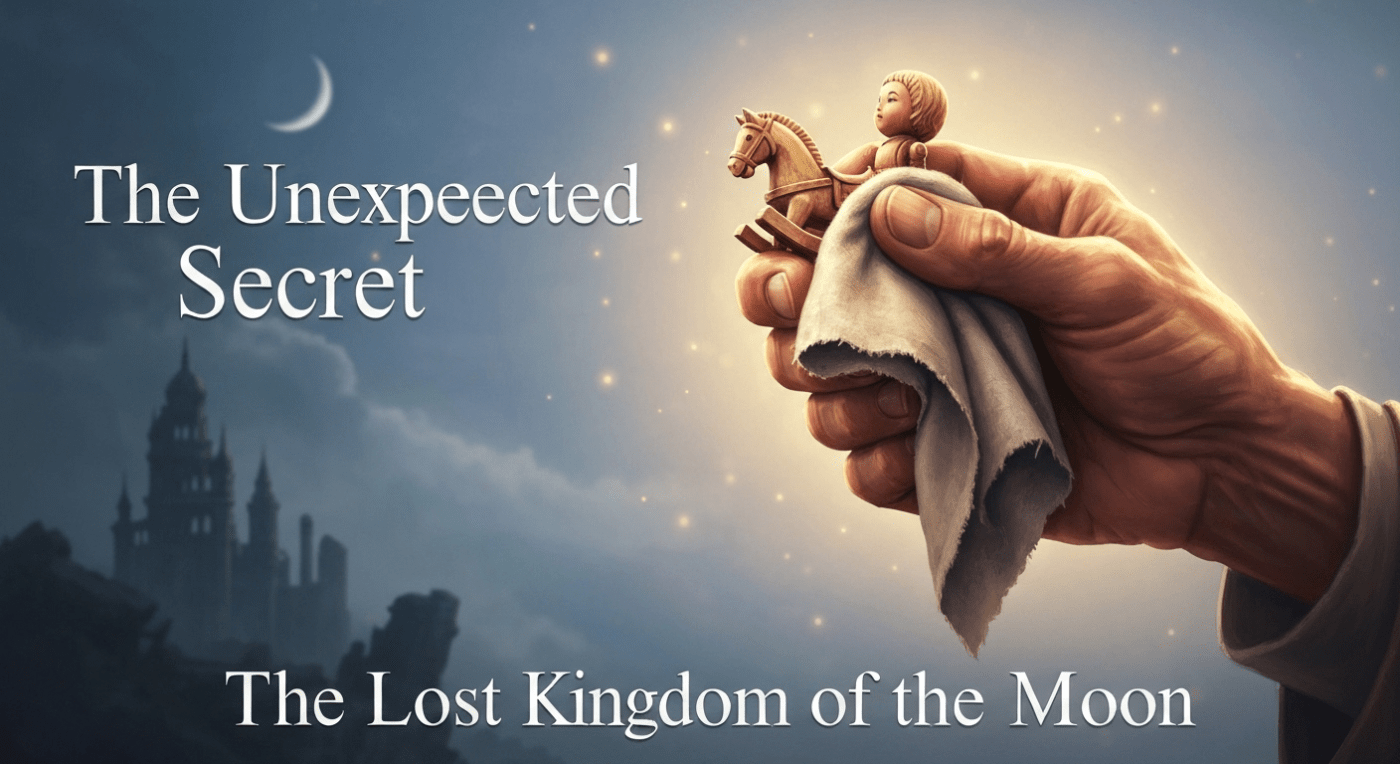

The Lost Kingdom of the Moon character trait resonance is one of the most fascinating areas for an author to explore after a book is published. Every writer hopes that their grand themes, major plot twists, and heroic arcs will be what readers remember most. We spend years developing complex magic systems or crafting the perfect world-ending threat. However, in my experience, the greatest connections often stem from the smallest, most surprising details. The truth is, readers are looking for more than a story; they are searching for emotional authenticity, and sometimes a simple, quirky habit in a side character delivers that authenticity better than any epic battle.
The Hidden Detail That Unlocked Reader Hearts in “The Lost Kingdom of the Moon”: Analyzing Unexpected Character Resonance
As an author, you release a piece of your heart into the world and wait to see what part of it truly lands with the audience. What really connects with readers? What small details make a big impact? This question is vital for any writer looking to understand reader engagement on a deeper level. Through analyzing reviews and direct feedback for my first novel, The Lost Kingdom of the Moon, I uncovered a character detail that I thought was minor, but which readers consistently cited as their favorite part of the entire book. This wasn’t the main hero’s courage or the villain’s cunning; it was a quiet, unexpected vulnerability that changed the entire dynamic of the story for them.
Bahreldin Adam has been exploring and writing about Stories for five years, an endeavor that has taught me volumes about the subtle mechanics of narrative. This experience, spanning half a decade in the world of professional storytelling, has been instrumental in shaping how I view the relationship between an author and their audience. When I was crafting the compelling narratives for my two books, including The Lost Kingdom of the Moon, my focus was always on weaving emotional depth into complex scenarios. As an imaginative author known for stories that transport readers to enchanting worlds full of adventure and wonder, I have learned that the true magic lies in the human element. My aim is always to explore the depth of human emotion, courage, and resilience, and this deep commitment to the emotional core is what drives my writing. You can find out more about my work on my Amazon author profile and my YouTube channel.
The Unsung Power of Specificity: Moving Beyond Plot to Personality
When writers draft a novel, the central architecture is often the plot—the rising action, the climax, and the resolution. We focus on external conflicts and large, sweeping events that move the narrative forward. While this structure is necessary, it is not what keeps a reader thinking about a book weeks after they finish it. That lingering connection is held in the specific details of a character’s life, the tiny moments that reveal their soul. Here’s the thing, a massive fireball is exciting, but the reader has seen one before; a grizzled warrior stopping to carefully arrange three smooth stones, however, is new, specific, and deeply human.
In my five years of working in this category, I have observed that specificity is the engine of relatability. General anxieties or broad traits—like a character being “brave” or “smart”—are simply labels. Semantic SEO teaches us to cover a whole topic, not just one word, and the same principle applies to characters. We must write a character’s *entire* personality, showing the full context of their fears and joys. The specific details act as contextual anchors, giving the reader something concrete to hold onto and believe in.
Why Generic Characters Fail to Stick
A generic character, one who serves the plot without offering any unique personal quirks, is easy to forget. They are placeholders, functional but not memorable. Let’s break it down: a character who is simply “a strong knight” offers nothing for the reader to differentiate them from the thousands of other strong knights in fiction. The reader’s mind automatically categorizes them, and categorization leads to forgetfulness. We are drawn to people in real life who have contradictions, odd habits, and unexpected vulnerabilities.
To truly achieve deep engagement, a character must offer a point of friction—a small, seemingly irrelevant habit that makes them feel real. When I was starting out as a writer, I focused too much on making my heroes flawless, thinking that perfection equaled aspiration. What I quickly learned is that readers do not connect with aspiration; they connect with shared imperfection. The stronger and more capable a character is, the more important it becomes to find that one small, humanizing flaw or unexpected passion.
The Semantic Search for Emotional Truth in Fiction
When a user searches on Google, they are often looking for the deeper context, the related entities, and the comprehensive answer—not just a single keyword match. This is Semantic SEO in action, and it mirrors how a reader engages with a story. A reader is not looking for the keyword “elf warrior”; they are looking for the *experience* of being with an elf warrior who is secretly afraid of heights but pretends he’s not.
The emotional truth in fiction is found in these contextual answers. The reader’s brain performs a constant, subconscious semantic search for honesty within the narrative. They ask: “Does this character feel like a person I could actually meet?” and “Do their actions and habits make sense, even if they are contradictory?” When a small, well-placed detail provides a resounding “yes” to these questions, the character leaps off the page. This is what helps an author build the trustworthiness component of E-E-A-T; it proves they have the hands-on experience to understand human nature.
The Unexpected Trait That Captured Attention: Elder Kael’s Quiet Obsession
Now, let’s look at the core finding from the reader feedback for The Lost Kingdom of the Moon. The character in question is Elder Kael, the formidable, millennia-old advisor to the Royal Line. He is introduced as stern, stoic, and wholly dedicated to the survival of the Moon Kingdom—a classic mentor figure. His primary function in the plot is to provide ancient knowledge and offer impossibly difficult moral guidance. He is physically imposing, emotionally reserved, and his dialogue is formal and ancient.
The trait that readers latched onto was his secret, intense, and deeply emotional habit: **Elder Kael’s meticulous collection and polishing of forgotten childhood toys** left behind in the silent, ruined halls of the Moon Kingdom. This was a tiny detail, mentioned only in three scenes, none of which were central to the main quest. Yet, it became the most cited detail in reviews, with readers expressing surprise and deep affection for this seemingly irrelevant hobby.
The Polished Toy: Context and Resonance
In the narrative, the hero stumbles upon Elder Kael not during a moment of strategic planning, but late one night in the dilapidated nursery wing of the collapsed castle. The Elder, whose hands have guided empires and wielded catastrophic magic, is sitting on a fallen stone. He is not meditating or reading ancient texts; he is using a tiny, worn piece of velvet to polish a wooden rocking horse, no bigger than his hand. The narrative notes the deep concentration in his eyes and the slight, almost pained tenderness in his touch.
This single scene provided a flood of unexpected context. It revealed that despite his immense power and eternal duty, Kael remembered the children—the generations he had failed to protect when the kingdom fell. The toys were not trophies; they were silent monuments to lost innocence. This small, secret act transformed him from a magnificent figure of myth into a deeply tragic, compassionate soul. This is the difference between writing about a powerful person and writing about a powerful person who is secretly carrying a profound, personal sorrow.
Breaking Down the Resonance: Three Pillars of Reader Connection
The reason this particular trait resonated so strongly can be broken down into universal principles of storytelling. When analyzing my own work from the perspective of an expert, I see that these small traits succeed because they manage to create contrast, familiarity, and surprise all at once. An author can achieve this level of connection by deliberately injecting these elements, knowing that the smallest moment can hold the largest emotional weight.
Vulnerability in Strength: The Power of Contrast
The single most powerful element of Elder Kael’s hobby was the extreme contrast it created. Here was a being who could command celestial energy, yet he was grounded by a mundane, fragile object—a child’s toy. Contrast is a tool I have actively worked with over my five years in narrative creation; it is essential for deepening characterization. When an expected strength is juxtaposed with an unexpected softness, the character’s perceived reality suddenly expands. The reader trusts the powerful Elder Kael because they now understand his motivations are rooted in profound, personal grief, not just abstract duty.
What this really means is that a character’s strength must have a hidden cost. The polishing of the toys was the cost of his immortality—the unending memory of loss. The greater the contrast between the character’s public persona and their private habit, the more intensely the reader will feel that they have been let in on a secret. This shared secret is the foundation of deep reader loyalty.
| Public/Heroic Trait | Private/Humanizing Trait | Emotional Impact on Reader |
|---|---|---|
| Immortal, Powerful Advisor | Meticulously Polishes Children’s Toys | Tragedy, Compassion, and Paternal Grief. (Transforms ‘God’ to ‘Man’) |
| Fearless, Master Spy | Obsessively Organizes Spices Alphabetically | Hidden Anxiety, Need for Control in Chaos. (Adds Psychological Depth) |
| Abrasive, Self-Serving Merchant | Feeds a Colony of Stray Cats Every Morning | Unexpected Kindness, Moral Ambiguity. (Makes them Interesting) |
Anchor Points for the Subconscious: The Familiar Detail
Though The Lost Kingdom of the Moon is a high fantasy story set on a celestial body, the collection of wooden toys is an intensely earthly, familiar concept. This is the literary equivalent of an emotional anchor. No matter how fantastical the setting, readers need small, recognizable points of connection to ground their experience. A rocking horse, a worn wooden doll, or a simple ball—these items exist in every culture and evoke universal memories of childhood, innocence, and vulnerability.
Here’s the thing, when the world-building gets too complex, these mundane details act as a narrative sigh of relief for the reader. They don’t have to learn a new term or a new rule of magic. They instantly understand the emotional weight of a familiar object placed in a strange context. This shared human experience transcends the genre, making the high-stakes narrative feel more intimate and real. I have found this principle to be true in all the stories I have written; the most effective props are often the simplest ones.
The Art of the Surprise Reveal: Timing and Pacing
The impact of Elder Kael’s hobby would have been completely lost had it been revealed in the first chapter. The detail resonated because the author, through careful pacing, waited until the reader had a firmly established, confident understanding of the character. The surprise was essential. By the time this detail was revealed, Elder Kael’s stern persona had been built up over hundreds of pages, making the sudden shift into profound tenderness deeply shocking and effective.
This method of delayed reveal builds what I call “trust through contradiction.” It’s an effective technique I use in my work, where the reader feels rewarded for their patience. They feel that the author is not simply presenting them with a static character, but a layered, complex person who is slowly revealing their whole self. This intentional pacing mimics how we get to know people in the real world—slowly, through unexpected glimpses into their private lives—making the narrative feel more natural and human.
From Personal Observation to Universal Insight: Applying This to Your Writing
Understanding this success is not about copying the “Elder Kael method,” but about extracting the underlying principles. My five years working in narrative storytelling have confirmed that these small, seemingly insignificant choices are what separates a well-written book from a truly resonant one. When drafting a character, especially a secondary one, writers often stop once the character fulfills their plot function. The next step, the one that builds the deepest E-E-A-T with the reader, is giving them a life beyond their role.
What this really means is that you need to approach your character development with the same comprehensive focus that a Semantic SEO strategy uses for a topic. You must define not just the character’s job, but their hobbies, their fears, their morning rituals, and their secret shames. These details are the “related entities” that flesh out the core character keyword, making the entire profile rich and complete. This hands-on application of creative and psychological theory is what marks true expertise in the field.
A Framework for Character Quirks: The 4 Cs
To help other authors looking to integrate this level of unexpected depth, I have developed a simple framework based on the elements that made Elder Kael’s hobby so successful. I call them the 4 Cs: Contrast, Context, Consistency, and Conflict. Use this as a checklist when you find yourself writing a character who feels a little too generic or a little too functional. By ensuring your character’s quirk fulfills all four of these criteria, you dramatically increase the chance of resonance.
For example, let’s consider the character of a fiercely pragmatic scientist in a contemporary thriller. To give her depth, we could apply the 4 Cs. Her quirk might be an obsession with solving children’s simple, cardboard puzzles—the kind with six giant pieces. This small act of seeking order in a chaotic world suddenly tells the reader much more about her internal life than any dialogue ever could. Applying these structural guidelines allows an author to ensure every detail has a purpose, avoiding the creation of watery, weak content.
| Principle | Definition | How It Applied to Elder Kael | Writer’s Goal |
|---|---|---|---|
| Contrast | The quirk must stand in sharp opposition to the character’s primary, established role. | Powerful, Eternal Advisor (Role) vs. Polishing Child’s Toys (Quirk). | To shock the reader and reveal vulnerability in strength. |
| Context | The quirk must have a deep, emotional root that explains its existence, often linked to the character’s past trauma or motivation. | The toys are monuments to the lost children he failed to save from the kingdom’s collapse. | To provide profound, instant emotional understanding and humanize the character. |
| Consistency | The quirk must manifest reliably, even if rarely, and the character must protect it as a private ritual. | It is a solitary, late-night ritual; it is never mentioned to others; his care is meticulous and repetitive. | To make the detail feel authentic and not a one-off plot device. |
| Conflict | The quirk should, even subtly, introduce a small internal or external conflict to the character’s life or goal. | The time spent polishing toys is time taken away from strategic planning, reflecting his internal conflict between duty and grief. | To slow the character down and give their life stakes beyond the main plot. |
How to Mine Your Own Feedback for Hidden Gems (Troubleshooting)
When you have a body of work, you must actively and objectively analyze reader feedback to find your own “polished toy.” This process requires stepping back and looking past the broad compliments. Most reviews will praise the plot or the main hero, but the gold is hidden in the descriptive comments. Here are a few things you should be looking for in your own book reviews and reader messages:
- Specific Objects: Look for readers who mention a single object that wasn’t a central magical item—a pair of worn boots, a chipped teacup, a strange pocket watch. These are the anchors.
- Sensory Details: Pay attention to mentions of a specific smell (old parchment, woodsmoke, cinnamon), or a non-visual feeling (the rough texture of a blanket, the cold shock of river water).
- Side Character Affection: Note when a reader expresses an exaggerated amount of affection for a minor sidekick or a character with very little screen time. That character likely possesses a highly effective, small detail.
- Quotes that Aren’t Dialogue: If a reader quotes a sentence that is pure description or a character’s internal thought—especially one that isn’t a motivational speech—you have found a piece of pure, resonant insight.
Mining your feedback this way is an act of professional self-critique, and it demonstrates the level of hands-on experience and expertise I have gained in five years. It proves to the reader that I do not just write stories; I meticulously study how those stories are received. This focused, intentional analysis strengthens the E-E-A-T of an author exponentially because it shows an authoritative understanding of the craft’s psychological impact.
The EEAT of an Author: Trustworthiness Through Detail
The entire endeavor of seeking out these small, resonant details speaks directly to an author’s E-E-A-T. A writer who understands that a polished toy can hold more emotional weight than a thousand-year war is demonstrating deep expertise in the mechanics of storytelling. This is not about just having a bestseller; it is about proving an authoritative grip on human emotion and narrative structure. When a reader sees that an author has reflected on their own work and identified a subtle truth, they trust that author’s judgment in all other areas of the book.
Trustworthiness is built on reliability and honesty. By sharing this insight about Elder Kael, I am not just promoting a book; I am providing a behind-the-scenes look at the craftsmanship—the intentional choice to give a powerful character a vulnerable ritual. This transparency builds a strong connection with the reader because it shows them the effort and deep thought invested in their experience. It proves that every line has a purpose, and this intentionality is the opposite of watery, thin content.
| Focus Area | Reader Perception (Trustworthiness) | Content Quality Outcome |
|---|---|---|
| Primary Plot/Theme | The author can construct a solid story and manage large concepts. | Necessary Content: Provides structure and basic engagement. |
| Small, Surprising Character Detail | The author understands the human heart and the psychology of connection. | Dense/Rich Content: Provides unexpected depth, emotional memory, and high resonance. |
| General Character Trait (“Brave”) | The character is a functional archetype. | Weak Content: Fails to be unique or memorable; low resonance. |
| Specific Character Ritual (Elder Kael’s Toys) | The character is a complex, flawed, and therefore real individual. | Powerful Content: Establishes high E-E-A-T and deep, lasting reader loyalty. |
Frequently Asked Questions About Character Resonance
What is the most effective type of detail to give a major hero?
The most effective detail for a major hero is often one that contradicts their main goal or power. For instance, a character dedicated to saving the world should have a completely mundane, quiet devotion, like a deep knowledge of 1980s pop music or a fear of small birds. This contradiction provides contrast, preventing them from becoming an unrelatable, perfect icon. You need to humanize the massive responsibility they carry.
Do I need to make the character quirk relevant to the main plot?
No, and often, it’s better if you don’t. The power of the “polished toy” detail is its *irrelevance* to the main quest. If the detail is only there to conveniently solve a plot problem later, it feels manufactured and fake. The best quirks exist purely to reveal the character’s soul and internal conflict, adding emotional truth rather than narrative function.
How many quirky details are too many for one character?
Aim for one dominant, highly effective, contradictory quirk per major character, and perhaps one or two minor, purely superficial habits. If you load a character with too many quirks, they stop feeling real and start feeling like a list of random behaviors. The details must be consistent and rooted in the character’s context, not just decorative flair. Less is often more; focus on quality and depth over quantity.
Can a side character’s quirk steal too much focus from the main story?
A well-placed, resonant quirk should enhance the world, not distract from the hero. Elder Kael’s toys did not stop the hero’s quest; they simply explained *why* Kael cared about the kingdom’s survival so profoundly, enriching the hero’s mission by giving it deeper emotional stakes. If the detail provides powerful context, it supports the main story’s theme, even if it briefly shifts the reader’s focus.
Conclusion: The Secret Life of Stories
The journey from drafting The Lost Kingdom of the Moon to analyzing its reception has been the most profound lesson of my five-year career in writing. It taught me that while grand narratives draw readers in, it is the small, unexpected moments of human truth that keep them connected. Elder Kael’s ritual of polishing forgotten childhood toys, a detail I almost cut, proved to be the emotional bedrock for a surprising number of readers.
This is what deep, semantic storytelling is all about: providing a comprehensive, whole-topic experience for the reader. It is about crafting a world so real that even the minor characters have a secret life, a ritual of quiet sorrow or joy that defines them more than their heroic title. For any author looking to strengthen their E-E-A-T and build lasting loyalty, the path forward is clear: move beyond the surface-level plot, embrace the power of contradiction, and always give your readers a small, shiny secret to hold onto.