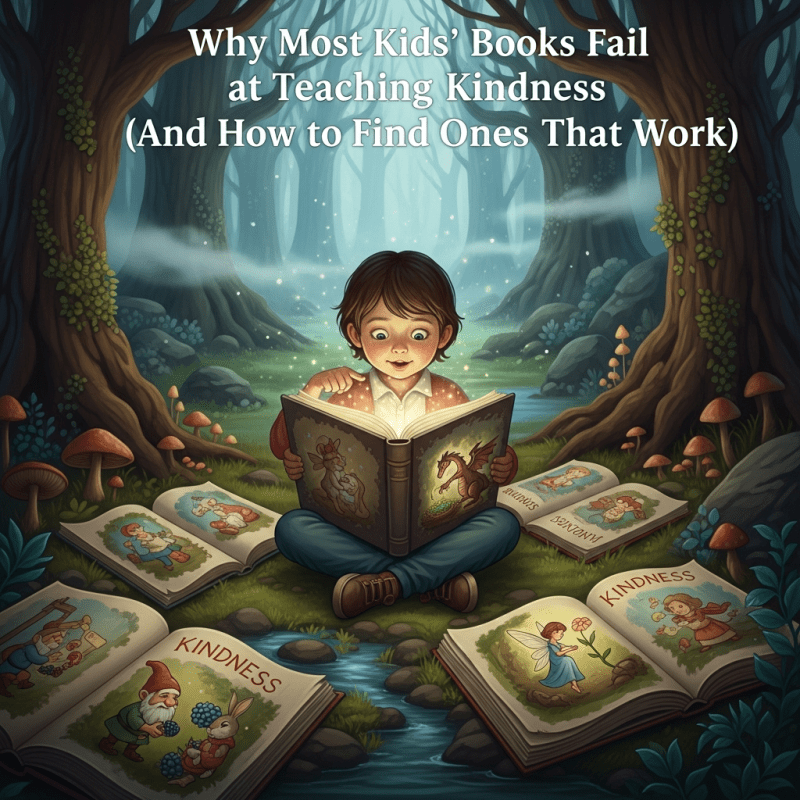

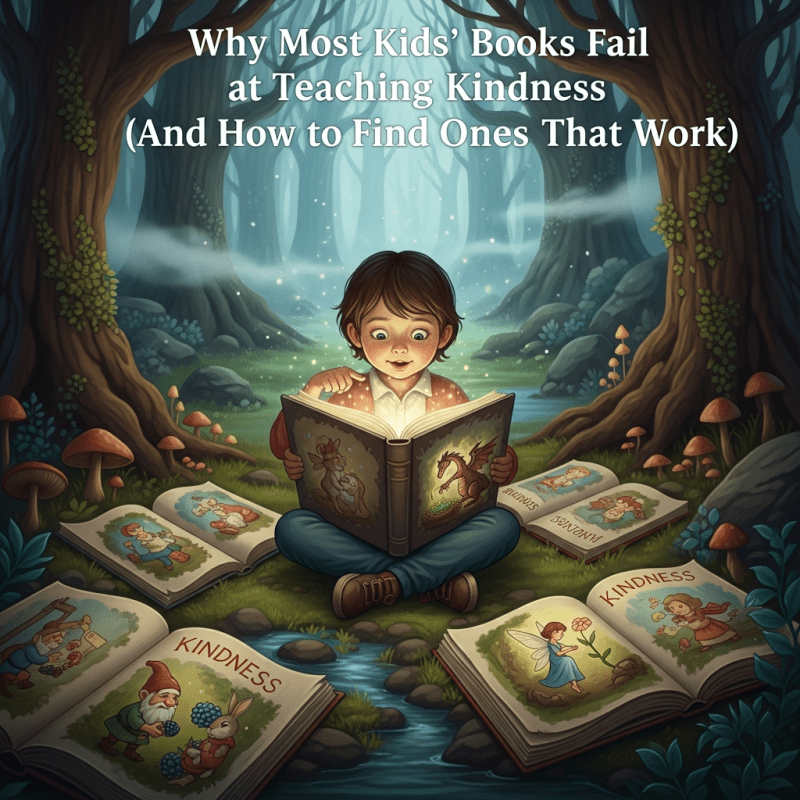
Kindness is one of the most important lessons children can learn during their early years. Parents, teachers, and caregivers often search for books that encourage empathy, compassion, friendship, and emotional understanding. Bookstores and online shops are filled with colorful titles promising to teach kindness, sharing, and good behavior.
But here is the surprising truth:
Many children’s books talk about kindness without truly helping children understand or practice it in real life.
Some stories present kindness as a simple lesson with unrealistic characters and forced morals. Others focus too heavily on “being good” instead of helping children understand emotions, relationships, mistakes, and empathy naturally.
In today’s fast-moving digital world, children need stories that feel meaningful, relatable, emotionally engaging, and authentic.
At Bahrku, we believe stories should do more than entertain. The best children’s books help young readers understand emotions, connect with others, and grow into thoughtful, compassionate individuals.
Why Teaching Kindness Through Stories Matters
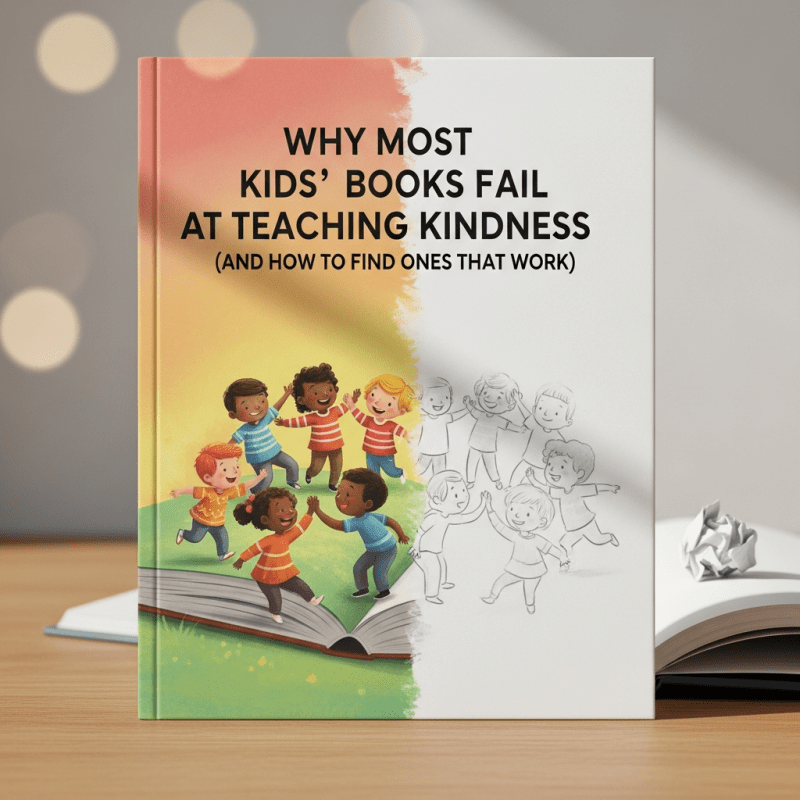
Children learn through observation, imagination, and emotional connection. Stories allow them to step into another person’s experience and see the world through different perspectives.
Books that successfully teach kindness help children:
- Understand emotions
- Build empathy
- Learn patience
- Practice forgiveness
- Respect differences
- Solve conflicts peacefully
- Develop emotional intelligence
Research in early childhood education continues to show that storytelling plays a powerful role in shaping social and emotional development.
When children emotionally connect with characters, they are more likely to remember and apply those lessons in daily life.
The Problem With Many “Kindness Books”
Not every book labeled as “educational” or “kindness-focused” truly helps children develop empathy.
Many stories fail because they:
- Feel too preachy
- Focus only on rewards and punishments
- Use unrealistic characters
- Simplify emotions too much
- Ignore real-life struggles children face
- Tell children what to do instead of helping them understand why kindness matters
Children are smart. They quickly recognize when a story feels forced or unrealistic.
If a book only says:
“Be kind because it is good,”
without showing emotional depth or meaningful experiences, children may not fully connect with the lesson.
Real kindness grows through understanding emotions, relationships, mistakes, and personal growth.
Stories Should Feel Real and Emotional
The most effective children’s books create emotional experiences rather than simple lectures.
Children connect deeply with stories where characters:
- Feel sad or lonely
- Make mistakes
- Learn from experiences
- Show empathy naturally
- Solve problems together
- Support friends during difficult moments
These emotional journeys help children understand that kindness is not just about rules—it is about caring for others and understanding feelings.
Stories become more powerful when children can say:
“That character feels like me.”
Why Perfect Characters Often Do Not Work
One common mistake in many children’s books is creating characters that are unrealistically perfect.
Perfect characters may always:
- Share immediately
- Never feel angry
- Never make mistakes
- Always behave correctly
But real children experience frustration, jealousy, sadness, fear, and confusion.
Books become more relatable when characters:
- Struggle emotionally
- Learn gradually
- Face consequences
- Apologize sincerely
- Grow through experiences
Children learn more from realistic emotional journeys than from flawless characters who never make mistakes.
Kindness Should Be Shown, Not Just Explained
Great storytelling shows kindness through actions rather than simply describing it.
Instead of saying:
“Lucy was kind,”
a stronger story shows Lucy comforting a scared friend, helping someone who feels left out, or learning to forgive after an argument.
Children understand lessons more deeply when they see emotions and actions unfold naturally inside the story.
This approach creates emotional connection and lasting impact.
The Importance of Diverse Characters and Experiences
Children’s books are also powerful tools for teaching inclusion, empathy, and understanding of different perspectives.
Books that truly teach kindness often include:
- Diverse characters
- Different family experiences
- Emotional challenges
- Cooperation and teamwork
- Respect for differences
When children see characters from different backgrounds helping and understanding one another, they learn that kindness extends beyond people who look or live exactly like them.
Stories can help children become more compassionate and socially aware.
How Parents Can Find Books That Truly Teach Kindness
Finding meaningful children’s books takes more than choosing colorful covers or popular titles.
Here are some helpful things parents can look for:
1. Emotional Depth
Choose books where characters experience real emotions and personal growth.
2. Relatable Situations
Stories should reflect challenges children may actually face:
- Friendship problems
- Feeling left out
- Learning patience
- Sharing struggles
- Fear or nervousness
3. Natural Lessons
Avoid books that feel overly preachy or focused only on rules.
4. Positive Problem-Solving
Look for stories where characters solve problems through communication, empathy, and cooperation.
5. Engaging Storytelling
Children learn best when stories are entertaining, imaginative, and emotionally engaging.
The Role of Bedtime Stories in Teaching Kindness
Bedtime stories are one of the most effective ways to build emotional connection and empathy.
At bedtime, children feel calm, safe, and emotionally open. This makes storytelling especially powerful for teaching values and emotional understanding.
Why Bedtime Stories Matter
Bedtime stories help children:
- Relax emotionally
- Build imagination
- Develop listening skills
- Strengthen language development
- Improve emotional intelligence
- Create positive family bonds
Stories shared before sleep often stay in a child’s memory for a long time because they are connected to feelings of comfort and security.
Building Imagination and Creativity
Children naturally imagine the worlds they hear about in stories.
Through bedtime stories, children:
- Visualize characters
- Predict outcomes
- Solve imaginary problems
- Explore creativity
- Build curiosity
Imagination helps children become more flexible thinkers and creative problem-solvers later in life.
At Bahrku, we believe imaginative storytelling is one of the greatest gifts parents can give children.
Strengthening Emotional Intelligence
Stories help children recognize and understand emotions in healthy ways.
When children hear about characters facing challenges, making mistakes, or helping others, they begin developing empathy naturally.
They learn:
- Patience
- Courage
- Compassion
- Forgiveness
- Resilience
This emotional understanding helps children build healthier relationships with others.
Encouraging Language Development
Reading stories aloud exposes children to:
- New vocabulary
- Sentence structures
- Communication styles
- Listening skills
Over time, bedtime reading improves:
- Speaking confidence
- Reading comprehension
- Writing abilities
- Attention span
Children who regularly hear stories often develop stronger communication skills later in school.
Creating Stronger Parent-Child Bonds
Reading together is not only educational—it is deeply emotional.
The quiet moments shared during bedtime stories help children feel:
- Safe
- Loved
- Heard
- Connected
These small nightly routines create lasting memories and strengthen trust between children and caregivers.
In a busy world, bedtime stories give families time to slow down and connect emotionally.
The Timeless Power of Storytelling
Storytelling has always helped families pass down wisdom, creativity, traditions, and values across generations.
Even today, stories remain one of the most powerful ways to teach children:
- Empathy
- Kindness
- Courage
- Responsibility
- Respect
- Emotional awareness
Books that truly teach kindness do not simply tell children to “be nice.”
They help children understand people, emotions, relationships, and the importance of compassion in real life.
Final Thoughts
In 2026, parents are searching for children’s books that do more than entertain. Families want meaningful stories that help children become emotionally intelligent, compassionate, thoughtful, and kind individuals.
The best kindness-focused books are not the loudest or most colorful ones. They are the stories that create emotional connection, encourage empathy, and inspire children to care about others naturally.
At Bahrku, we believe storytelling should nurture imagination, emotional growth, creativity, and kindness through meaningful experiences children truly remember.
Because sometimes, one beautiful story can shape a child’s heart forever.
Explore More Educational Stories and Learning Ideas
Discover more bedtime stories, educational activities, puzzle books, and family learning inspiration at: